

Contrast Therapy: Hot & Cold
Alternating sauna heat and cold plunge in cycles. The most powerful protocol in the studio, and the reason most members keep coming back.
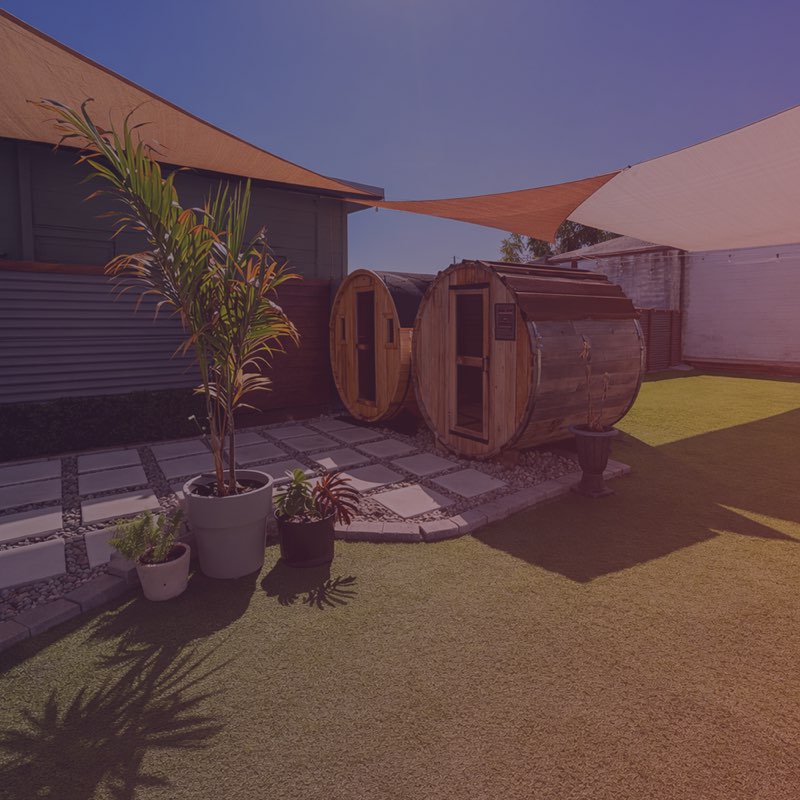
The Protocol That Changes Everything
Contrast therapy is the practice of alternating between the sauna at 185–195°F and the cold plunge at 39–51°F in repeated cycles. The rapid temperature swings drive vasodilation and vasoconstriction in sequence, creating a vascular pump that moves blood through your body with force.
The neurochemical response is substantial. You get the endorphin and heat shock protein benefits of sauna combined with the norepinephrine and dopamine surge from cold. Together, they produce a state that neither modality achieves on its own.
This is what most people come to Plunsana for, and it's the protocol that most members build their visit around.
Book a SessionHeat and Cold Together Hit Different
Circulation & Vascular Training
Heat opens your blood vessels. Cold constricts them. Cycling between the two creates a pumping action that moves blood, lymph, and nutrients through your body more efficiently than either modality alone. Over time, this trains your vascular system to respond faster and more effectively.
Nervous System Reset
The rapid shift from extreme heat to extreme cold forces your autonomic nervous system to toggle between sympathetic and parasympathetic activation. This trains your nervous system to recover faster from stress and builds the kind of resilience that carries into daily life.
Recovery & Performance
Athletes and active people use contrast therapy to accelerate recovery between training sessions. The combination of heat-driven blood flow and cold-driven inflammation reduction clears metabolic waste faster and reduces delayed onset muscle soreness.
Mood & Mental State
The neurochemical cocktail produced by contrast therapy, including norepinephrine, endorphins, dynorphins, and dopamine, creates a sustained mood elevation that members describe as feeling reset, clear, and deeply calm. The effect often lasts for hours.
How to Do Contrast Therapy
Sauna: 10–15 Minutes
Start in the barrel sauna at 185–195°F. Stay until you're thoroughly heated. Your heart rate will rise, you'll start sweating, and your blood vessels will dilate fully.
Cold Plunge: 2–4 Minutes
Move directly to the cold plunge at 39–51°F. Control your breathing. The initial shock passes quickly when you come from the sauna. Stay for 2–4 minutes.
Repeat 3–5 Rounds
Go back to the sauna. Then back to the cold. Most members do 3–5 full rounds. Each round deepens the effect. By round three, most people hit the state they came for.
End on Cold
Finish your last round in the cold plunge. Ending on cold locks in the vasoconstriction and the norepinephrine elevation, extending the mood and energy benefits into the rest of your day.
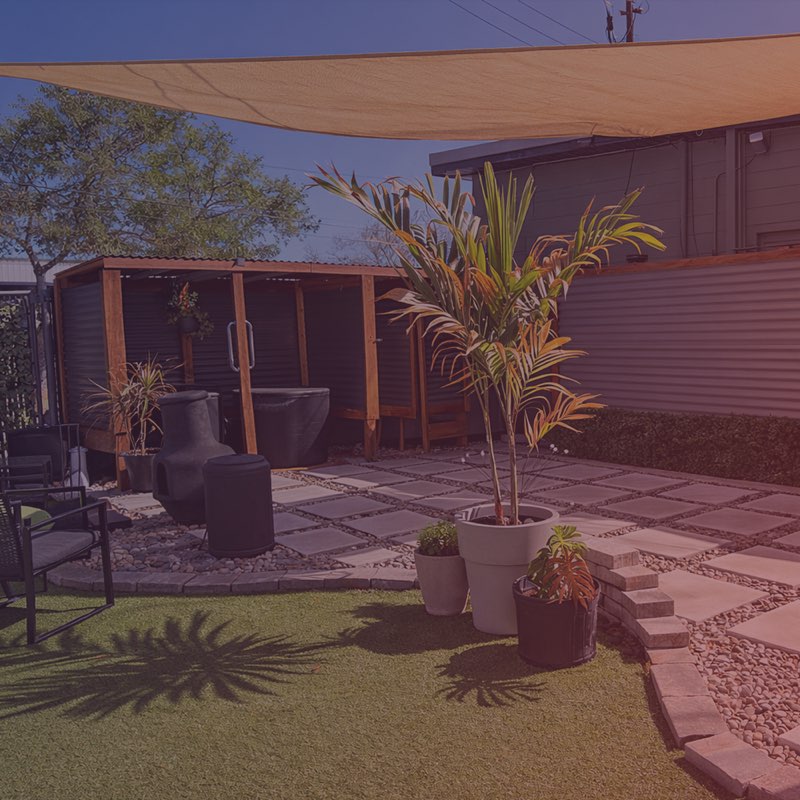
Build on the Protocol
Add breathwork between rounds to deepen the nervous system response. Use red light therapy before or after your contrast session for cellular recovery. Or join a guided class where an instructor walks you through the full protocol with breathwork built in.
The contrast protocol is self-guided during open hours. No appointment needed. Walk in, check in, and move through the rounds at your own pace.
Contrast Therapy FAQ
Experience the Full Protocol
Sauna. Cold plunge. Repeat. No experience needed. Orientation included. Walk in and feel the difference for yourself.